Beyond the Green Logo: How to Actually Read a Halal Label in 2026
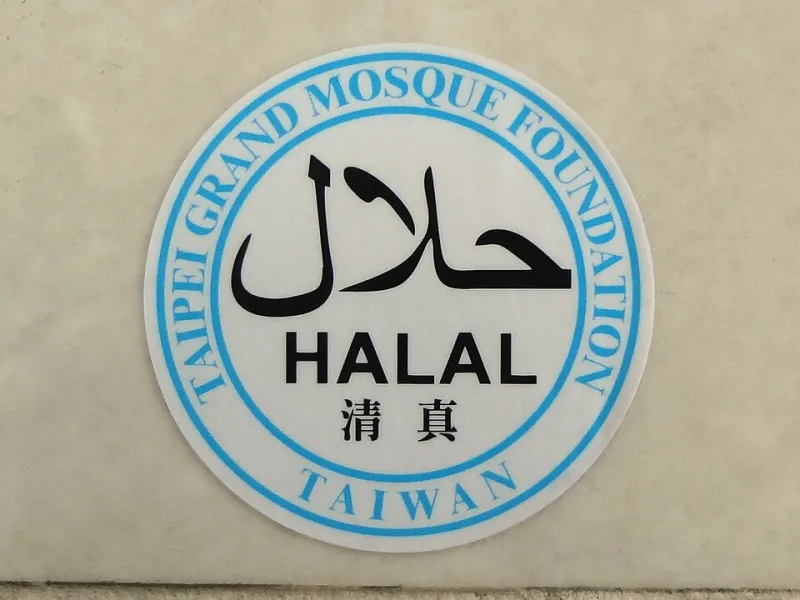
Photo: Solomon203, CC BY-SA 4.0, via Wikimedia Commons
Stand in the frozen aisle of a mainstream grocery chain with a box in each hand and the logos start to blur. One has a crescent and a web address. One says “100% HALAL” in green. One says nothing at all, but the box beside it says “Muslim-owned” in a font that is doing a lot of work.
The shopper holding those boxes is not being paranoid. She is doing exactly what the market has trained her to do — because in the United States, halal is largely a private certification system, and not all stamps are created equal.
The uncomfortable headline: there is no federal halal standard
Unlike organic, halal has no USDA-administered national program. The federal government does not certify halal food, does not define the word for labeling purposes, and does not license certifiers.
What exists instead is a patchwork. Private certifying bodies, some nonprofit and some for-profit, inspect facilities and issue certificates that companies license for use on packaging. State laws in places like New Jersey, Michigan, Illinois, California, and Minnesota address halal labeling and, in some cases, prohibit misrepresenting food as halal — but definitions and enforcement budgets vary enormously.
In other words, when you see a logo, you're not seeing a regulator's seal. You're seeing a third party's business relationship with a manufacturer.
Four logos, four different promises
The practical problem is that “halal certified” can mean several different things depending on who is doing the certifying:
- Product-level certification. A specific item is reviewed, including its full ingredient list and suppliers, and the certificate names that product.
- Facility-level certification. The plant meets certain standards and may produce both halal and non-halal lines, with documented cleaning and segregation procedures.
- Slaughter certification. The animal handling and slaughter method itself is supervised, frequently by a certifier with on-site personnel, and usually tied to meat and poultry.
- Restaurant or vendor certification. A single location is reviewed at a point in time — which is a snapshot, not a permanent condition.
A logo on a bag of chips and a logo on a package of chicken thighs are not making the same claim, even if the artwork looks similar.
Who is behind the stamp
A handful of organizations dominate the US market — names like IFANCA, Islamic Services of America, the American Halal Foundation, and Halal Certification Services show up repeatedly. They differ in structure, in how inspections are conducted, in whether audits are announced, and in how much of the supply chain they actually trace.
There's also a structural question that consumers rarely get to see: certification is generally paid for by the company seeking the certificate. That's normal in private certification, and it isn't automatically a scandal — but it does mean the incentive structure deserves scrutiny, the same way it does for organic, kosher, and fair-trade seals.
“The logo is the beginning of a conversation, not the end of one,” says one quality manager at a Midwestern food manufacturer who has been through multiple audits. “I've had good audits and I've had audits that took twenty minutes and a signature.”
Where confusion creeps in
Most halal problems in the US aisle aren't dramatic. They're ingredient-level and invisible to the eye.
Gelatin, often pork-derived, hides in marshmallows, gummies, yogurt, and capsules. Mono- and diglycerides can be animal- or plant-sourced. Rennet in cheese may be animal-based. L-cysteine, a dough conditioner, appears in some commercial breads. “Natural flavors” is a category, not an answer. Vanilla extract and certain flavorings carry alcohol as a solvent, which some families avoid and others don't. Shared fryers at restaurants handle chicken and pork in the same oil.
Then there's the labeling gray zone. “Halal-style,” “Muslim-owned,” “Middle Eastern recipe,” and a flag on the box are marketing language, not certification. Foreign stamps from certifiers in other countries appear on imported goods with no US oversight at all. And a restaurant that was certified in 2022 may simply have let the certificate lapse without changing the sticker on the door.
Fraud does happen — substitution at the supplier level, a plant running halal and non-halal shifts with sloppy changeovers, a distributor relabeling product. But far more often, the gap is confusion rather than conspiracy.
A shopper's checklist
- Zoom in on the logo and find the certifier's name. Not the icon — the name. If there's no identifiable organization, treat the claim as unverified.
- Check whether the certificate covers the product or just the company. Many certifiers publish searchable product databases online.
- Read the ingredient list before the logo. Gelatin, mono- and diglycerides, rennet, L-cysteine, and natural flavors are where questions live.
- Look for a certification mark on imported goods. A stamp in Arabic from an unfamiliar body isn't a red flag by itself, but it also isn't verification.
- Treat restaurant signage as a snapshot. Certificates expire. A posted copy with a visible date tells you more than a sticker.
- Notice the difference between “no pork” and “halal.” They are not the same claim, and the second one is much broader.
- When in doubt, ask the store. Grocers increasingly keep certificates on file — and the ones who can produce one quickly usually know their supply chain.
Questions worth asking
At a butcher counter, the useful question isn't “is it halal?” It's “who certifies you, and can I see the certificate?” At a restaurant, it's “which certifier, and is it current?” At a grocery store, it's “do you stock any products certified by a specific body, or is it based on the supplier's claim?”
None of this requires distrust. It requires the same habit people already apply to “cage-free” or “all-natural” — reading past the front of the package, because the front of the package is designed by a marketing department, and the back of the package is designed by a supply chain.
The green logo isn't lying to you. It's just answering a narrower question than you thought you asked.