Trunk Iftars and Tea Steam: The Ramadan Parking Lot After Taraweeh
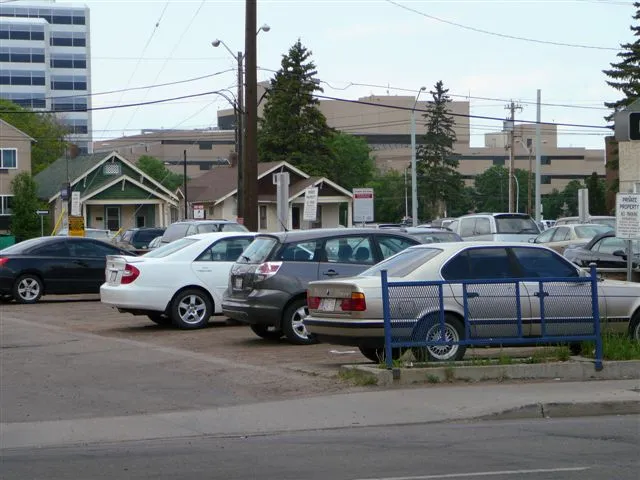
After Taraweeh ends, the mosque parking lot fills with chai, leftovers, kids, and conversation. It is an overlooked third space where Ramadan community actually happens.

Culture, Community & Conversations That Matter
After Taraweeh ends, the mosque parking lot fills with chai, leftovers, kids, and conversation. It is an overlooked third space where Ramadan community actually happens.

Arab American corner stores are more than milk and lottery tickets. As dollar stores and rising rents squeeze them out, neighborhoods are learning what disappears when the shutters come down.
The family group chat is where Arab American weddings, funerals, Ramadan schedules, and arguments now live. It is messy, democratic, and surprisingly close to the old majlis.
They are twelve years old and explaining a prior authorization at a pharmacy counter. A reported look at language brokering in Arab American families — the pride, the weight, and the practical ways to shift the load without anyone losing face.
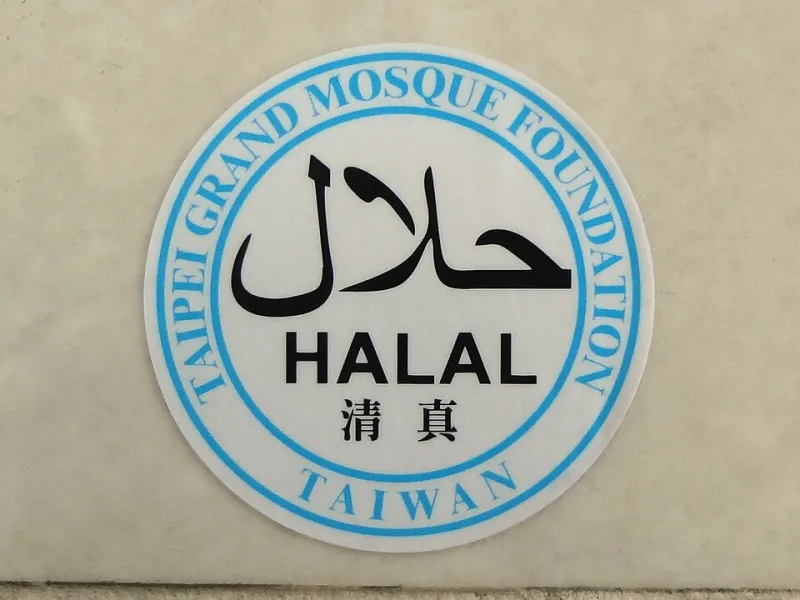
That crescent-and-text stamp is not a government guarantee — it's a private certifier's promise, and different logos promise very different things. An investigative consumer guide to who audits the auditors, where confusion creeps in, and how to shop the aisle with more confidence.
Long before the rest of the block wakes up, the dough is already rising — and so is the day's conversation. Inside the Arab American pastry shops quietly doing the work of a neighborhood living room, and the rent math threatening to close them.
An ER nurse breaks her fast in a supply closet. A rideshare driver keeps dates on the dash. For Muslims working America's night shifts, Ramadan runs on improvisation, faith, and a very different clock.
Behind thousands of dual-income Arab American households is an informal web of grandmothers, neighbors, and newly arrived caregivers. A look at the invisible labor — and the quiet economics — of raising bilingual kids.
Banquet halls are out, zaffreh processions are in. Inside the multi-day, two-ceremony, three-hundred-cousin weddings reshaping how Arab America celebrates love.
Across time zones and WhatsApp threads, Arab American grandparents are doing what no app or Saturday school ever quite managed: passing the language down. We sat in on the calls, the voice notes, and the group chats where heritage is one voice memo at a time.
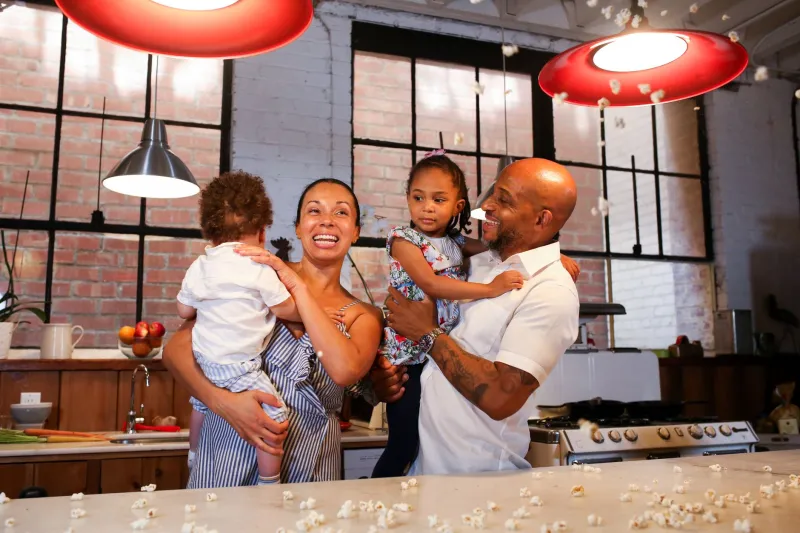
A dallah coffee pot next to the Keurig. A formal living room preserved like a museum, and a kitchen where everyone actually lives. Seven families open their doors and their decision-making about what tradition survives the suburbs.
No lunch meetings, no coffee runs, no explanations you owe anybody — but also, let's be honest, a few things worth saying out loud. Here's what fasting Muslims wish their coworkers knew, and what to actually ask HR for.
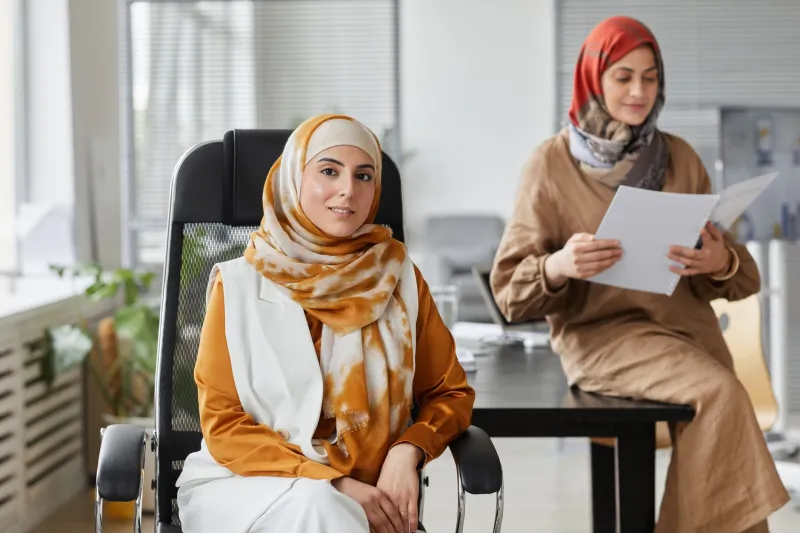
A lot of Arab American professionals have quietly mastered the art of being two people at once — one version for the office, another for home. But a growing number are pushing back against that split, demanding workplaces where they don't have to choose between who they are and how far they go.
Raising kids who know where they come from while helping them thrive where they are is one of the most meaningful — and genuinely tricky — things Arab American parents take on. We talked to families, educators, and child development experts to put together something actually useful.
Across the country, Muslim-owned funeral homes are doing more than preparing bodies for burial — they're creating spaces where families can grieve without having to explain themselves. From ghusl rooms to grief counseling rooted in Islamic tradition, these businesses are quietly filling a gap that mainstream death-care has long ignored.
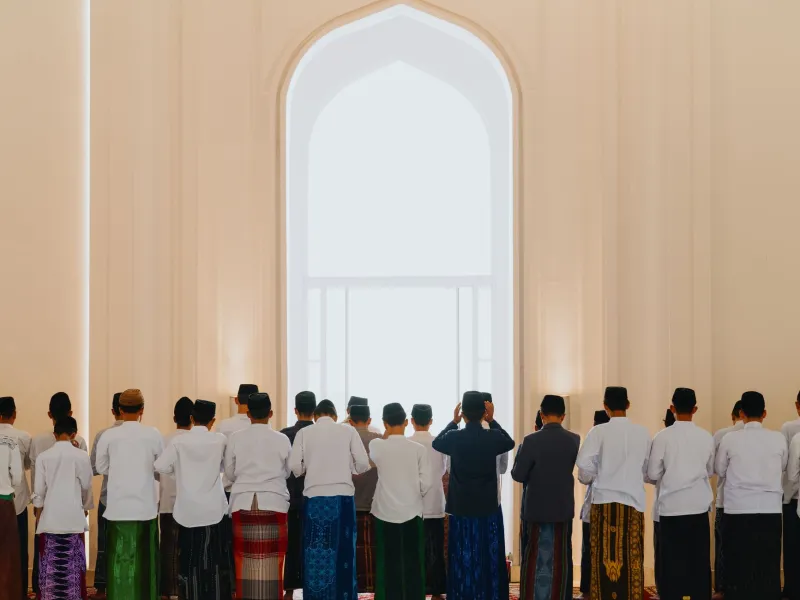
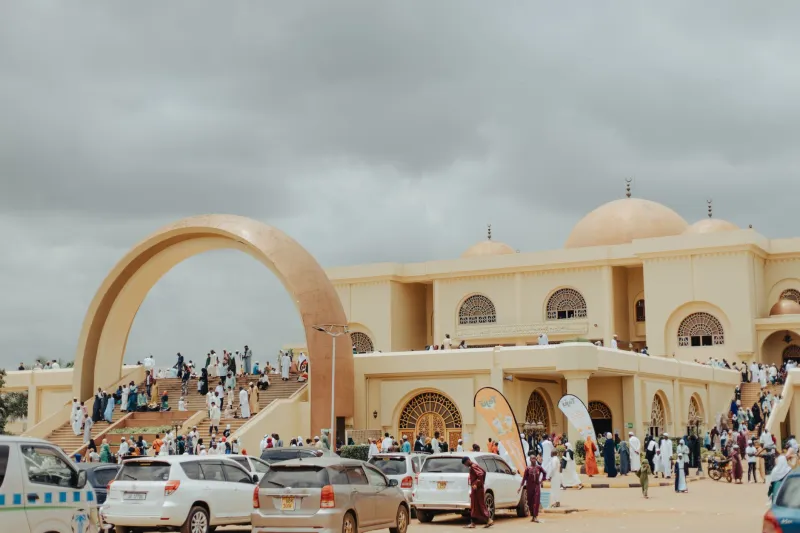
Walk into certain mosques and Islamic centers across America on a weekday and you might find a voter registration drive, a youth coding workshop, or a meeting between imams and city council members. The masjid is evolving — and it's doing it on purpose.
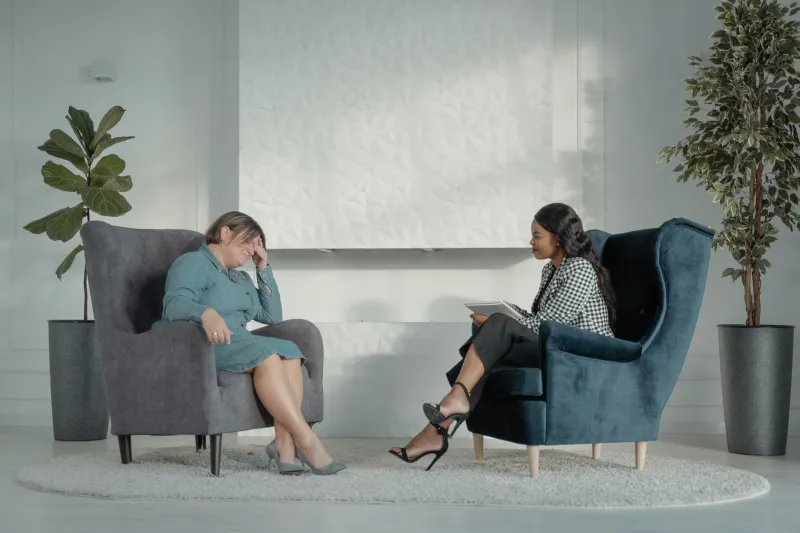
Arab and Muslim American mental health professionals are confronting a stigma that runs deep — and they're doing it from the inside. These therapists, counselors, and psychologists are building a new model of care that honors culture without excusing avoidance.
A new generation of Muslim entrepreneurs is building serious companies without leaving their values at the door. From halal fintech startups to ethical consumer brands, these founders are proving that integrity isn't a liability — it's a strategy.
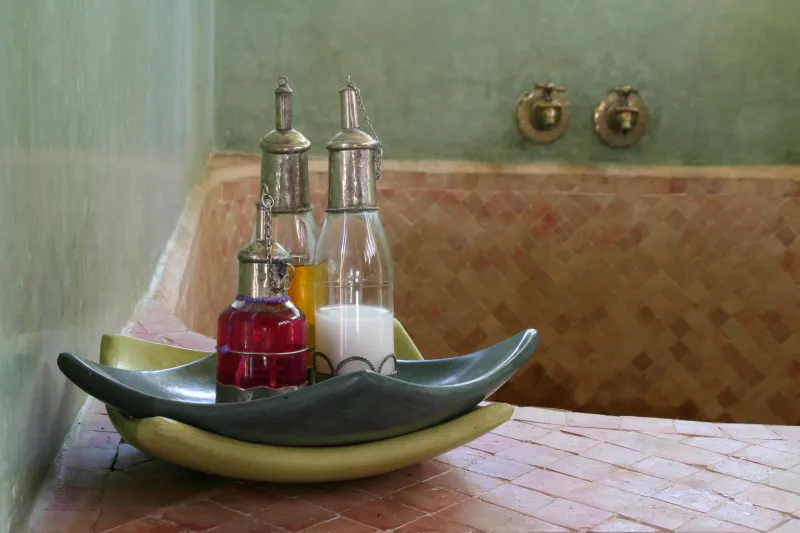
Long before cold plunges and infrared saunas became Instagram staples, the hammam was doing the work. Now, a growing wave of Middle Eastern and North African wellness spaces across the US is introducing Americans to a bathing tradition that's less about luxury and more about community, ritual, and genuine restoration.
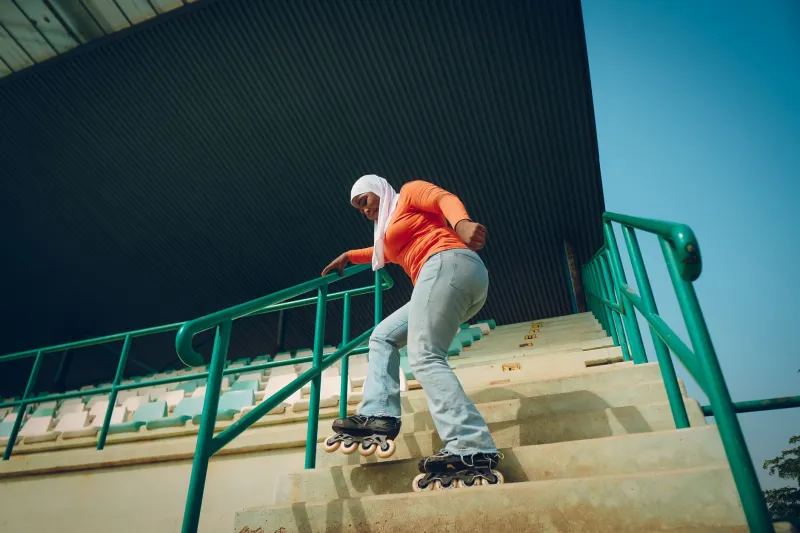
Across track ovals, wrestling mats, soccer pitches, and swimming pools, Muslim and Arab American women athletes are competing at the highest levels — and refusing to leave any part of themselves at the door. Their stories are about more than sports, and the young girls watching them know it.