Trunk Iftars and Tea Steam: The Ramadan Parking Lot After Taraweeh
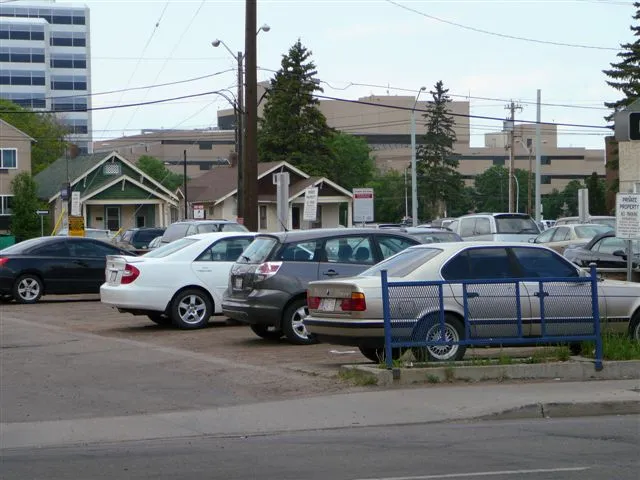
Photo: Johntwrl (talk) (Uploads), Public domain, via Wikimedia Commons
The prayer ends, but the night does not. After Taraweeh at a mosque in a Dallas suburb, the rows of cars do not empty. Families drift toward the trunks. A thermos of chai appears. Someone unfolds a folding table. Kids who have been still for an hour explode into the aisles between bumpers, chasing each other under the floodlights. An uncle leans against a sedan and asks about a cousin's job. A teenager shows a new driving permit. The parking lot becomes a second congregation.
This is not on the mosque calendar. There is no flyer, no committee, no microphone. It is the informal social world that forms after formal worship, especially during Ramadan. The trunk iftar often happens before Maghrib, when families open their cars and share dates, samosas, and fruit with whoever is nearby. The after-Taraweeh lot is a sequel. The food is lighter. The conversations are longer. The night has already been fed, but it is not ready to go home.
The Second Congregation
Inside the mosque, the rows are ordered. Outside, they loosen. Women stand in small circles near their cars. Men gather by the curb. Teens migrate between groups, checking their phones and pretending not to check on their parents. Younger children run in packs until someone calls a name across the lot. The scene can look chaotic to a newcomer. It is actually a carefully negotiated social ecosystem. People know where to find the tea, who brought the good dates, and which uncle will tell the longest story.
In Detroit, a parking lot after Taraweeh can feel like a block party in winter coats. In Los Angeles, it can stretch across three rows of cars. In Houston, the humidity keeps everyone close to the building. The details change. The pattern does not. After the formal prayer, people stay. They stay because the mosque is not only a place to pray. It is a place to be known.
Coolers, Chai, and a Folding Table
The food is rarely fancy. Leftover rice. Baklava from a box. A cooler of water. A thermos that has been in the family for years. Someone always brings more than needed. Someone always worries that there is not enough. The trunk becomes a pantry, a table, and a meeting point. People who did not eat at home are quietly fed. People who did not cook are quietly forgiven.
Tea is the great equalizer. A paper cup of chai passes from hand to hand. The conversation moves from football to marriage to the price of groceries. An elder asks a young mother about her kids. A college student asks an uncle for advice on a job interview. The parking lot is where the mosque becomes a neighborhood.
Kids Between the Bumpers
For children, the lot is a forbidden playground that becomes allowed for a few weeks each year. They run between cars, hide behind tires, and test the boundaries of their parents' attention. Parents trade warnings and snacks. A lost shoe is recovered. A crying toddler is calmed by a stranger who is not a stranger. These small acts are the glue of community. They do not show up in attendance numbers. They show up in memory.
For teenagers, the lot is a place to be seen without being watched too closely. They help carry coolers. They joke with friends. They roll their eyes at parents and then check that the younger kids are safe. The parking lot gives them a role that is not quite child and not quite adult. It is a rehearsal space for belonging.
A Third Space With Tire Marks
Sociologists talk about third spaces, places that are neither home nor work, where community forms informally. The mosque parking lot after Taraweeh is a third space with tire marks. It is not designed for lingering. It has no comfortable seating and no official program. That is exactly why it works. People stay because they want to, not because a schedule tells them to.
This year, Ramadan again reminded American mosques that community is not only built inside the prayer hall. It is built in the twenty minutes after. It is built in the trunk of a car, in a cup of tea, in the patience of an uncle who listens. When the last car finally pulls out, the lot goes dark. The community does not disappear. It just goes home, carrying the night with it.