The Aunties Holding Up the Economy: Who Really Cares for Arab America's Kids

Photo: Alice Instone, CC BY-SA 4.0, via Wikimedia Commons
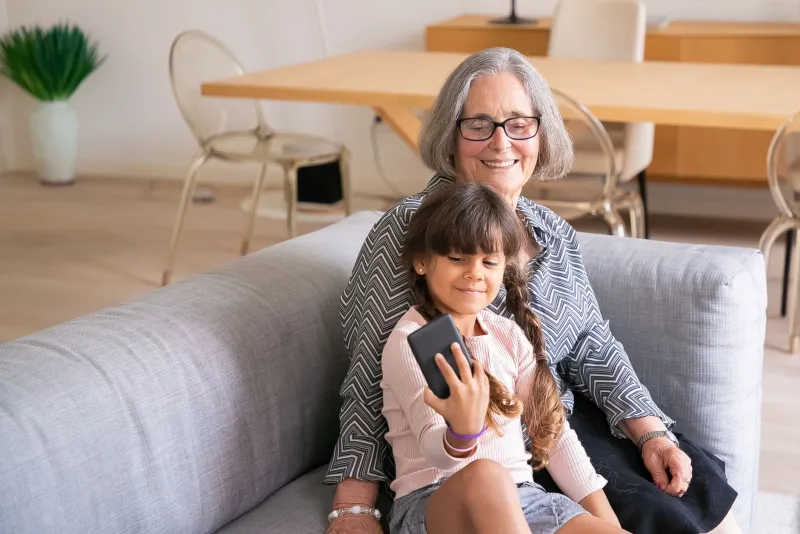
At 7:40 every weekday morning, Um Samir crosses the driveway between her daughter's house and her own in Dearborn, still in her housecoat, carrying a thermos of sage tea. She'll be back home by 4. In between, she'll speak almost exclusively in Arabic to two toddlers, cook lunch from memory, and refuse — absolutely refuse — any payment beyond the groceries her daughter slips into her fridge.
Multiply her by thousands, and you begin to see the scaffolding of the Arab American middle class.
Care You Can't Invoice
There's no formal name for this network, so people just say "the aunties" — a title that has nothing to do with blood relation. A neighbor from Yemen, a family friend from Ramallah, a grandmother who arrived on a visitor visa and stayed for the grandchildren: all aunties.
Economists would call it informal care work. The families call it love, though many admit the two aren't always the same thing.
"My mother-in-law watches the kids so my wife and I can both work full-time," says Ahmad, a pharmacist in Paterson, New Jersey. "We tried to give her money. She threw it back at me. Literally. So now we just pay for everything else in her life. There's no invoice, but there's definitely a ledger."
The Language Clause
The unspoken job description for many of these caregivers includes one line above all others: speak Arabic to the children.
Parents juggling English-speaking workplaces and English-speaking schools know the clock is ticking. Research on bilingual families suggests the community language erodes fast without reinforcement, and so the auntie becomes a language immersion program with a heartbeat.
"My daughter's first full sentences were in English at daycare and Arabic with Sitty," says Randa, a mother of two in Bay Ridge. "We didn't plan it that way. It just worked."
That demand has fueled a quieter trend: Arabic immersion daycares. Dearborn now hosts several, and Brooklyn's Bay Ridge has seen a handful open in storefronts and church basements over the past decade. Waitlists are long, tuition isn't cheap, and parents treat a spot like gold.
The Wage Question
Not all care work is unpaid, of course. Recent immigrants — often women with caregiving experience but limited English — staff a shadow workforce of nannies and home daycares, frequently paid in cash at rates below the formal market.
Advocates note the vulnerability: no benefits, no contracts, sometimes no legal status. But families in the arrangement describe something more mutual than exploitative — room and board, community, a launching pad.
"She came to us knowing nobody," Randa says of the young woman who helps with her kids. "Two years later she has a driver's license, an English class certificate, and my children cry when she takes a day off."
What It Reveals
The nanny economy, informal as it is, tells a bigger story about immigrant life in America. Assimilation happens at work and school. Preservation happens at home — in the thermos of sage tea, in the grandmother who won't switch to English no matter how many times the toddler does.
It's care work that holds households together and holds a language upright, one unstructured afternoon at a time. And nobody's hiring for it. Everybody's depending on it.