These Muslim-Owned Restaurants Are Changing the Way America Eats
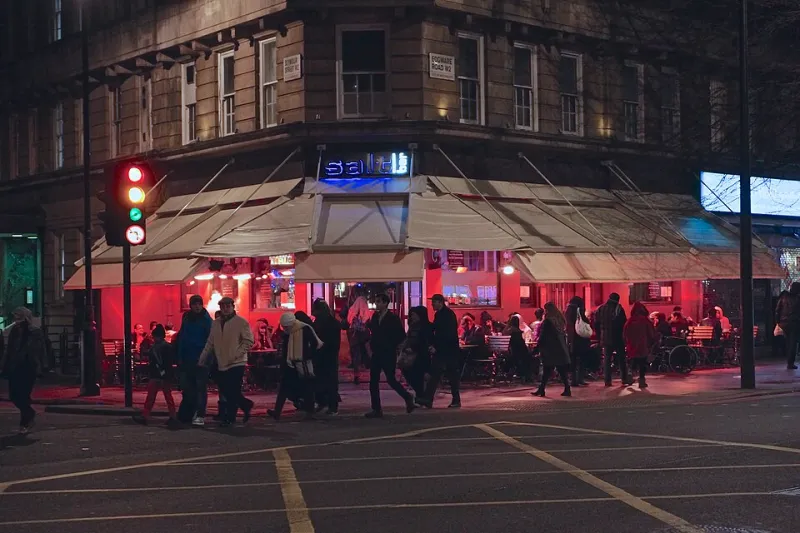
Photo: Anthony O'Neil , CC BY-SA 2.0, via Wikimedia Commons
American food has always been a conversation between cultures. The burger has German roots. Pizza came from Italian immigrants. Tacos are a border-country invention that became a national obsession. And right now, Muslim American restaurant owners are adding some of the most exciting new chapters to that ongoing story.
These aren't just places to eat. They're community anchors, cultural statements, and proof that halal cooking and American culinary creativity aren't just compatible — they're a genuinely electric combination. Here are five spots worth knowing about.
1. Bavel — Los Angeles, California
The Story: Ori Menashe and Genevieve Gergis opened Bavel in downtown LA's Arts District in 2018, drawing on Ori's Libyan Jewish and Israeli heritage to create a menu that feels both ancient and completely of-the-moment. While the restaurant itself sits in a cultural gray zone between Middle Eastern Jewish and Arab culinary traditions, it has become a gathering point for LA's broader Arab and Muslim American community and has earned recognition from the James Beard Foundation.
What to Order: The whole roasted duck with ras el hanout is the dish people drive across the city for. The hummus — made fresh throughout service — is the kind that makes you rethink every hummus you've eaten before.
Why It Matters: Bavel treats Middle Eastern cuisine as fine dining without stripping away its soul. In a city where "elevated" often means "stripped of culture," that's a meaningful stance.
2. Koloman — New York City, New York
The Story: Chef Markus Glocker's Koloman in the Ace Hotel brings a Central European sensibility to the New York dining scene, but the restaurant's halal-conscious sourcing and its position as a welcoming space for Muslim New Yorkers has made it a quiet landmark for the community. The kitchen's commitment to transparency about ingredients reflects values that resonate deeply with Muslim diners navigating a city full of ambiguity.
What to Order: The Wiener Schnitzel made with halal veal is the headline act, but don't skip the apricot soufflé — it's worth the 20-minute wait.
Why It Matters: Koloman demonstrates that halal dining can sit comfortably at the fine-dining table, no compromise required.
3. Talat Market — Atlanta, Georgia
The Story: Chef Parnass Savang opened Talat Market as a pop-up during the pandemic and eventually landed a permanent home in Atlanta's Summerhill neighborhood. Drawing on his Thai heritage and Southern upbringing, Savang creates food that is genuinely hard to categorize — and that's exactly the point. While Talat isn't exclusively halal, Savang's Muslim background informs his cooking philosophy and the community he's built around the restaurant.
What to Order: The rotating tasting menu changes constantly, but dishes featuring fermented fish sauce alongside Southern-style braised greens have become something of a signature move.
Why It Matters: Talat is a reminder that Muslim American identity is not monolithic. It shows up in a Thai American chef cooking in Georgia, and it's beautiful.
4. Dyafa — Oakland, California
The Story: Chef Reem Assil opened Dyafa — which means "hospitality" in Arabic — in Jack London Square, Oakland, as an extension of her earlier Reem's California bakery concept. Assil, a Palestinian Syrian American community organizer turned chef, brings a political and cultural intentionality to her cooking that is rare in any restaurant scene. Her food is explicitly rooted in Arab American identity, and she talks openly about the role restaurants can play in community building.
What to Order: The man'oushe — a flatbread topped with za'atar and olive oil — is the foundation of the menu and a genuine love letter to Arab baking traditions. The mezze spreads are designed for sharing and lingering, which is kind of the whole philosophy.
Why It Matters: Assil has said publicly that she wants her restaurants to feel like the Arab world's tradition of radical hospitality — where everyone is fed, everyone belongs. In practice, that means a space that genuinely feels different from most American restaurants.
5. Wazwan — Minneapolis, Minnesota
The Story: Minneapolis has one of the largest Somali American communities in the United States, and Wazwan has become one of the most visible celebrations of that community's food culture. Named for the elaborate Kashmiri feast tradition, Wazwan blends East African, South Asian, and American Midwest influences in ways that feel both deeply intentional and completely natural. Owner and chef Abdirahman Kahin has been cooking in Minneapolis for years and has become a genuine ambassador for Somali cuisine in the American Midwest.
What to Order: The suqaar — a spiced beef or chicken stir-fry served with rice and flatbread — is the entry point, but the sambusa (Somali samosas) are the thing people talk about for weeks afterward.
Why It Matters: Wazwan is making the case that Somali food deserves the same mainstream recognition as any other immigrant cuisine that's made its way into the American food conversation. Based on the lines out the door most weekends, that case is being made pretty convincingly.
The Bigger Picture
These five restaurants share something beyond great food. They're all built on the idea that Muslim American identity is an asset — culturally, creatively, and commercially. Their owners aren't hiding their heritage to make non-Muslim customers comfortable. They're centering it, and finding that American diners are more than ready to show up.
The next time you're looking for somewhere to eat, consider making it one of these spots. Your taste buds will thank you. And you'll be supporting something worth supporting.